Wednesday, August 26, 2015

a few initial copies of the first book for the project made their way to berks county today !

an early release of 10 copies of the first book for this project arrived in the mail today. the remainder will be printed and ready from the publisher by mid-september or earlier. but below are some eye-scenes from it for now, and if you'd like to order a copy, please email thelaborsofourfingertips@yahoo.com or call 610.401.3392. if you contribute $20 to the gofundme campaign for the project, that is another way for you to get a book, until copies run out.

copies will also be available for sale at the next poetry two readings for this project, which are set for thursday, september 17 @ 7 p.m. at klein lecture hall at albright college in the city of reading and sunday, october 25 @ 2 p.m. at studio b in boyertown. please RVSP if you can attend either event. and thank you tremendously for your support for this long but worthwhile labor. =)


Wednesday, August 19, 2015

proof and cover options-- trying to decide among these awe-stirring options.

the proof and cover options for the first book of this poetry project arrived in the mail today. it's stirring such awe here with the pretty-factor !


if you have recommendations on the color/texture options between these pretty cover choices, please feel free to note your insights. it seems like it will be hard to pick one because they all have their own lovely appeal eye-wise and then also seemingly through a few other senses, starting with feeling. community insights are always helpful, and you are all a part of this, if you're reading this page.

to make it easier to tell which is which, let's describe the options as 1 through 6, starting with 1 in the bottom left corner, and the actual book proof's cover is 6.

Thursday, August 13, 2015

the manuscript for the first book in this project is finally in the hands of the publisher.

the manuscript for the first book for this poetry project is finally in to the publisher. phewww-- such a wonderful point to get to ! more news will be on its way for the official release in the next few weeks. stay tuned. thank you all for your incredible support you've offered here.


and here is an inspiring quote from the early pages of the book. keep it close to your heart as you find your way through your days.

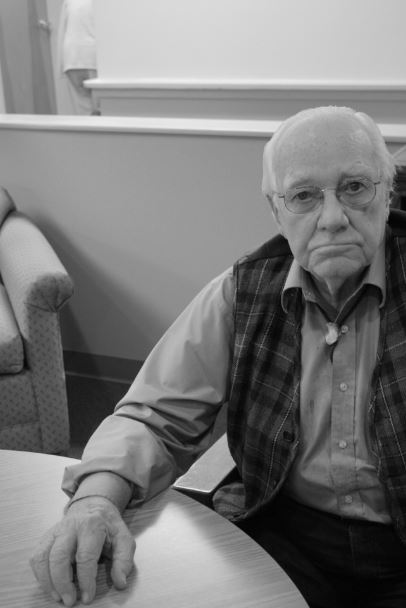
some poems you read, and some poems you are.

– joe swider, a resident of perry township, berks county, pennsylvania

Tuesday, August 11, 2015

a tilden township woman's poem inspired by a reading for this poetry project.

a stitched collage artist by the name of martha ressler, known to many as marty, attended the first thursday poetry night hosted by berks bards at goggleworks in the city of reading last thursday where the labors of our fingertips: poems from manufacturing history in berks county stood as the main feature before the open mic. she'd heard about the event through email updates. and she herself worked in the garment, meat-packing, steel, and automotive industries, outside of our region. so she had a personal interest in these local manufacturing history poems for that reason.


( martha ressler and a sampling of her art -- credit: jay ressler )

ressler grew up in cleveland and last lived in pittsburgh before moving to tilden township. but her diverse background in different manufacturing jobs in the past few decades kept her ears perked well as the poems from this project spread across the air on the first floor of goggleworks.

she felt inspired to write a poem of her own just from listening to the poems from this project and noticing a quick jump of a movement for the goal of a sudden edit by the poet. her poem is below, in gratitude of her agreeing to let it be shared as a part of this project. and the line about a baby bird in her poem references the poem which is from the memories of willie kramer of south heidelberg township, although the feather-y reminders portion is not in the excerpt posted here earlier on the blog. some mystery is still tucked in the words you've yet to see. you can find out about the winged ones once the book is released in a few weeks.

*

poem for jennifer
by martha ressler

i came to hear poetry about working.

i expected a grizzled time worn poet, face like leather, muscles knotted, hands scarred.

instead stood this young woman, long light brown hair and so thin she could have walked out of her boots.

she read her poems, tentatively.

she had listened to workers, for hours.

they talked about their tools, their machines, their co-workers, and their losses. 

they spoke of their boredom and fleeting moments of joy.

i remember the one about the worker delighted, briefly, by a mother and baby bird, flying up in the rafters. 

i remember the poem about the sewing machine operator whose factory closed down. 

everyone moved on, but the women left the secrets they’d told, the laughs they’d shared, in a tangled knot of threads on the floor.

i liked that the young woman with long brown hair stopped reading, once, to reach for a pen. 

she wanted to correct “sewing” to “knitting.”

“i got them confused before i learned the difference.”

she learned that and so much more. she learned about extruders, swing shifts, piecework versus hourly pay, and the difference between warp and weft.

she listened and absorbed, asked questions, and then listened some more.

then she spun those stories of boredom, routine, and joy into silken word threads.

august 6th-- berks bards features the labors of our fingertips: poems from manufacturing history in berks county.

berks bards graciously invited the labors of our fingertips: poems from manufacturing history in berks county to be the focal feature for its monthly reading in august-- last thursday at goggleworks in the city of reading. around 40 people made up the audience for the hour or so before the open mic portion of the evening.

two poem-sources were able to be a part of our literary-loving and history-hugging moments: willie kramer of south heidelberg township attended this reading, to talk about his memories of working in a tannery in fleetwood for a good portion of his life, and so did vasilia vardaxis of the city of reading, who kept close to candy daily at the luden's plant near her home long ago. before this, the kramer and vardaxis had never shared their stories in front of an audience, and seeing them light up at sharing responses to people's questions is a great reminder of why this project is so valuable. stories are so important, which is something pursuing the creation of these poems and also just even reading them brings to the surface of our understanding.

below is an excerpt of the poem inspired by varadaxis whose mother birthed her an ocean away from berks county.

*

i left greece for this new country in 1956, that story
of wanting a better life, leaving a poor village behind.

at 26, new to this soil, i made the city 
of reading my home and never left except 
trips back to greece, last in 1980. my pictures

are there with family, of my first job and my last, 
all in one. i touched candy daily at the luden’s plant 

on eighth street in reading. most people 
know how hershey bought it out, except 
the young kids today. they probably don’t. 

now it is anything but, a candy factory’s rich smells no 
longer saturating the air in that building. when candy 

came down on the belt, we’d package it.
the belt moved fast, so you had to work quickly. 
on decorating duty, we put diced almonds 

on top of fifth avenue bars. but then we stopped and just 
kept the bars plain. during most of my time in packaging, 

we grabbed the sweets and arranged them into boxes. 
cherry, lemon, and honey lemon cough drops. 
creme drops, too. the candies dropped down 

onto a shaker first, to make them more straight, coming  
from the department above ours. i earned $40 a week, at first. 

but 20 years of lifting 40-pound boxes of that
stuff took a toll on my back, angered my spine.

*


( vardaxis )

ryan marie rettew kindly managed the camera for the evening as a way to support this poetry project.


( vardaxis enjoying heart-sharing time with the audience. )


( like vardaxis, willie kramer initially heard and read his poem crafted through this project months ago, but only last week did he first hear it voiced to dozens of berks county residents who then began to ask him questions about his life, experiences, and memories. and they clearly loved hearing what he had to say-- and he loved that. his eyes said it all. so it's win-in-city, all around. find out more of what this is like at a future reading, and if you aren't already on the email list for this project, feel free to request to be added to it via thelaborsofourfingers@yahoo.com. )


Tuesday, August 4, 2015

foothills publishing.

thank the literary deities-- the final 25 poems for the first book for this project were finished as of a few days ago. progress is such a beautiful thing.

foothills publishing based in steuben county, new york will be publishing the first book under this project's title, the labors of our fingertips: poems from manufacturing history in berks county, as an initial volume. the release date is pending but in the works.

michael czarnecki, who lives a little more than three hours from berks county, is the man behind this foothills publishing and started his literary operation in 1986. 

it became a great privilege to write about him for the reading eagle after he visited berks county while on tour in 2013. the article is readable here.

as that reporting notes, czarnecki has already published books of poetry by several berks county residents in the past, including berks county's third, fourth, and fifth poet laureates-- heather thomas, craig czury, and maria mcdonnell, respectively. he has a great reverence for the writings which come from the minds and hearts of those who put words on the page in berks county.


( blue ruby by heather thomas, released by foothills publishing ) 

as you can see above, czarnecki does hand-stitching of poetry books, and it's clear that a dedicated care goes into the creation of anything he produces.

Monday, August 3, 2015

the gofundme campaign for this poetry project is officially launched !

while this project was originally slated to have a kickstarter campaign to help with supplementing costs outside of what expenses are covered in it through state arts grants, moving instead to gofundme as a crowd-sourcing platform made more sense because of less limitations. kickstarter only allowed one and two-month campaigns, with one-month campaigns usually ending up more successful than two-month campaigns. for someone with a lot of jobs and responsibilities to juggle, in addition to a project like this, that's a lot of pressure on top of what's already a lot of pressure. an ongoing campaign with no time limitation made more sense here since the project will continue for two more years. plus, if a campaign goal is not met, with kickstarter, you don't get the funding at all. but with gofundme, you as the person running the campaign have access to the funds immediately, with each transaction, minus the fees. less stress and strain seemed like the more rational route to ensure continued support possibilities here.

to support this poetry project through gofundme, please check out the link below.


most crowd-sourcing sites don't let you have long titles, thus the shortened campaign title and URL wording for the labors of our fingertips: poems from manufacturing history in berks county.

any and all support for this campaign will be greatly appreciated, please know. funding the arts while preserving history of manufacturing in our country is a challenge which deserves to come to the surface across all different kinds of stories we might otherwise lose.


please pass this on to anyone who may be interested in supporting this project's continuing influence in the berks county community. it may well set examples for people and organizations well outside of southeastern pennsylvania, too, which would be a great sign for saving more local history in the form of poems while honoring the seniors who have made this project possible.

a glimpse: ray doskus, born 1942.

working with chocolate every day can make you tired of it quickly, ray doskus of lower alsace township learned in his earlier years. he also has a humorous twist at the end of his poem, but that is something you'll have to wait to hear at a poetry reading or see in the first book for this project. the tail-end surprise story, around his chocolate days, involves a trolley and cotton candy. his poem excerpt is below.

*

on moss street in reading, i grew sick of the smell of chocolate
in about two weeks. operating the machines for filling molds
at bortz chocolate, inc. in the 1960s, they started me out at 90
cents an hour.  by the next year, they bumped me up to $1 per
hour. barely 18, i rented a house on those wages for $38 each
month. young people envy those numbers nowadays, but we

had to work hard for even a dollar back then. we had molds
from the size of a penny up to a giant rabbit, a few feet tall.
it wasn’t just big rabbits, although those furry creatures
are probably the easiest to remember. we filled up molds
of ducks and pigs. at holidays, they brought out easter eggs,
turkeys at thanksgiving, reindeer and wide-bellied santas

at christmas. by then, the molds might have moved from 
cast-iron to aluminum alloys. any old mold they didn’t want 
to use anymore—they’d smash into pieces in the back parking 
lot so nobody would steal their designs. history is always 
harder to preserve when worry about proprietary this or that 
is behind even making candy. you had to know the amount

of ounces for any mold you poured, to set the machines right.
if you set a mold to have 8 ounces come down, and it only
needed 3 ounces to fill it all in, you had a mess to clean up.
once, i filled a bunny mold so full that one of the women
carried it away and could barely hold it. we had to melt it
back down before the bosses knew, to not get in trouble.

*


( these tickets are curious artifacts. find out more about them in the full poem 
when the first book for this project is released or at an upcoming poetry reading. )

Tuesday, July 28, 2015

"pauline learns to sew" by barbara presnell.

documentary poet barbara presnell visited the city of reading in april of 2014 and read from her book piece work at the t.e.a. factory on willow street. presnell found her way to our area after meeting berks county's third poet laureate, heather thomas, while the two women were appreciating literary arts outside of their own states. presnell lives in north carolina and wrote piece work about her memories and later employee interviews and research based around what was once known as stedman manufacturing company, a textile mill where her father worked during her childhood days. 


thomas encouraged presnell to visit our county to share her book's poems because it paralleled so well with the textile mills which were a part of our own history and economy from what now seems like so long ago.

presnell's poem "pauline learns to sew" is something shared at every presentation about this project, at retirement homes, as well as at every poetry reading for this poetry project, as a way to introduce manufacturing poems from a different voice, one of great inspiration like the incredible poets who helped to influence everything you've seen on this blog and what will be posted in the future. copies of the poem are provided for everyone to to take home at the readings, too. but presnell focusing so specifically on manufacturing in her own part of north carolina really helped this berks county poetry project concept to blossom to life, so many thanks will always be sent her way heart-wise.

and enjoy the line about the chicken-- everyone in local audiences at presentations for this poetry project and actual poetry readings loves the humor it quickly nudges into the air.

the poem below is credited to barbara presnell and the cleveland university poetry center and is from piece work, published in 2007.


 ( barbara presnell )
credit: doug arthurs

pauline learns to sew
by barbara presnell

when i come back from having babies
they put me on sewing.
i could no more sew a straight line
than i could milk a chicken
but the other ladies helped me,
showed me how to set the needle
in the cloth to make a turn,
pull my thread to the side
so it wouldn’t jam up in the bobbin.
i won’t say i ever was much good at it,
but nobody’d accuse me a not trying.

a lifetime, it seems. husband,
three kids growed. mama passed.
went from t-shirts and boxers to
sweat shirts then collars then elastic.
one day, outta the blue, they unbolted
the machines, loaded them in trucks,
hauled ‘em down to mexico or someplace.
nothing left on second floor
but concrete and empty bolt holes.
we was like family, us sewers.
you’d a thought we lost a brother or sister,
the weight we felt, grief tangling up among us.

you’d find broke needles in corners
for a while after, lengths a thread.
ladies getting old by then just retired.
young ones, they got on
somewhere else in the mill, some
other machine. didn’t lose nobody from it,
not really. took our spirit, that’s all.
you can work a 8-hour shift without spirit,
but it ain’t half worth it, you know?

Monday, July 27, 2015

a glimpse: john heck, born 1921.

john heck of maidencreek township grew up on a farm in lower heidelberg township and helped to manage the land and the animals with his parents before he eventually found his way into a career of molding with metal. below is an excerpt from his poem in this project.

he enjoys singing these boots are made for walkin' when he sees someone reminding him of nancy sinatra, according to certain cowgirl-like footwear. he's fun like that.

*

a molder for 30 years, then a pourer for 11 more—i can
say i kept close to metal except on weekends, for most
of my life. at textile machine works in wyomissing, later
rockwell international, we wore leggings from our calves

down over our shoes so it would hurt less if the metal
splashed toward the ground and touched our skin. heavy 
glasses with shields on the sides protected our eyes. 
you got burned now and then. when sunlight shined 

through the windows, you could see dust in the air. 
we were known best for making the cast-iron knitting 
machines which eventually sewed length into women’s 
stockings. we heated that metal to 2,800 degrees,

leather gloves with cuffs covering our hands so we 
wouldn’t get the metal in our sleeves. one fellow, he
spilled hot cast-iron into his shoe. we didn’t see him 
again at the foundry until three months after that. they 

kept extra shirts around for when metal speckled flecks 
onto your chest. you ripped it off and grabbed another 
to wear. when seamless hosiery hit the market, it cost 
the company millions to buy and install new equipment 

for the changed design of machines. it took a year to do.
in the cafeteria, we sometimes ate steak and potatoes, 
a heap of string beans. it felt nice to get away from all
of that heat, all of that hot metal, for even a half-hour. 

*

Tuesday, July 21, 2015

"considering a field" by poet dr. philip terman.

dr. philip terman lives in northwestern pennsylvania and is an english professor at clarion university. as a major inspiration for this project as a person, poet, and fellow soul always making observations out in the world, it seemed a good fit to share a sample of his poetry. 

below is his poem from page 96 of the torah garden, a nature-swept, spirit-hugging set of words crafted in couplets. much gratitude goes to him for his encouragement and also letting this poem reach the audience for this poetry project.


considering a field
by philip terman

field of tall daisies, clover, buttercups, hay bales
waiting for the gathering, the occasional ground bird,

dried-out goldenrod stalks, and then nothing else
i could name, poor carrier of words that i am--

wouldn't you want to be an open field with butterflies
floating through you, an elevated field, a field

deer can float their watery shapes through, a field
where, if people gathered, they would be compelled

into silence, their thoughts would run their course
like a spring, they would speak only a few last words

and those word would be about beauty, they would measure
the surrounding trees and think seriously about how small

their bodies are, perhaps it would be mid-summer, perhaps
the breeze would chill then hush their skin, perhaps

they would be distracted and forget a little while where they were
and be indistinguishable from the daisies, the clover, the buttercups.

Saturday, July 18, 2015

a poetry reading in leesport-- the labors of our fingertips: poems from manufacturing history in berks county.

the third poetry reading for this project on satudray, july 11 took on a pleasantly cozy approach where almost every single person in the audience offered comments and asked questions, often talking to each other across the table between readings of the poems. the schuylkill valley community library hosted it in an easy, sit-down, especially comfortable and welcoming space where chatting between poems worked out very well. everyone seemed to love that about the feel of the reading. and this connecting persuasion between people who are unfamiliar with each other, meeting suddenly in the moment, was a goal of the project. so seeing this felt like magic sparked by stories told in poem form, along with a great environment and a smaller crowd of 10 as the audience.

at each reading, a few poems by heather thomas and philip terman are shared to give examples of poetry outside of this project's sound, for those who aren't normally close to this realm of literature. it's a way to show how varied poems across different poets can be. plus, these two were great inspirations for the project and such encouraging souls for those who write, write, and write.


edna machemer's poem, recently posted to the blog, fit the reading well since she worked at a former factory which had been probably less than a mile or two from this exact library where we sat to enjoy the afternoon and mull over these poems in a small community-ish heart-hugging sense.


pat mckinney of schuylkill county had a great idea as someone in the audience and asked if any of the poems from the project so far had ever been read by anyone other than the poet. the answer: no, but that led to a great idea where he, as well as charlie curtis of berks county and ryan marie rettew of lancaster county read poems in the voices of the sources.

here are scenes of mckinney and rettew as they sat to test out reading poems from the project to everyone in the audience. all photographs after this point are courtesy of the ever-kind artist erica vinskie-cinelli who helped to put a camera to use during this poetry reading.


seniors who were a part of the poems from this project and lived not far from this library could not attend because of transportation and liability concerns from their retirement homes, which is understandable (although a little sad, but it makes sense), so here is a photograph by the poet from a few months ago of pauline phillips of maidencreek township, born in 1933. curtis read her poem, and below also is an excerpt.


*

the building went up in 1916 at 43 east noble street 
in shoemakersville, merit underwear company. i didn't 
like sewing. i used a sewing machine for around six 
months. i could hardly wait until they had another 

opening in the folding department. sewing, some may 
love it, but to me, it all felt horrible, and i just wanted
to get away from needle after needle and spools upon 
spools of thread. then, relief—i became a supervisor 

in the folding department, made sure the girls knew 
what to do, and they came to me anytime they couldn't 
figure out the folding just right or if a shirt didn't crease 
the way it was supposed to, if the examiner missed 

a mistake.

sometimes we'd spot a small patch of dirt on the fabric, 
fingers full of cleaning fluid in some moments. or we'd 
notice a seam open. we used a machine to tie heavy string
around the boxes where we folded freshly made underwear 

into new four-sided homes until the pairs found their way 
to stores. if you didn’t fold everything just right, it didn’t fit 
into those tiny boxes, and you had to do it again. toward 
the end, they had me in the cutting room, scissors in hand.

anna billig drove me to work 
until i learned to drive, and then 

i took

my dad’s 1933 plymouth, maybe 
a coupe. we all got along well, 

a few men and all of us girls.
now that place is apartments.

*

curtis also read through the book by philip terman which was passed around, the torah garden, but on his own.


it is a joy-stirring gift to notice people sitting pensively in appreciating what they hear of line after line of poems from the seniors who are helping this project to be possible. people who value history and the stories of those who are oldest around us come out of the woodwork and toss around gratitude and insights well when you're hoping for just that.


al haring of maxatawny township attended again, like he did at the first reading for this project, but this time he brought along his neighbor, don bucci, who introduced haring to the project. it is always great to have a poem-source there while his or her poem is read because that seems to be the audience's favorite aspect each time, as per comments afterward and notes on the handwritten surveys completed toward the end.


don and maryann neblock drove all the way from downingtown, chester county to be at this reading. they are enthusiastic supporters of this project, and it shows alone by the many miles they drove, as did mckinney.


thank you again so incredibly much to everyone who has been supportive and encouraging with this project, and especially to everyone who has beamed of caring gratitude just in hearing about it being a part of berks county.

Wednesday, July 8, 2015

a glimpse: edna machemer, born 1922.

what edna machemer recalls of maidencreek township from working in an underwear factory which used to be in leesport, very close to where the next poetry reading for this project is this saturday, july 11 @ 2 p.m. at the schuylkill valley community library, brings the most bountiful and genuine laughs, of all of the poems from this project so far. 

you'll find the humor trailing at the end of this excerpt from what she remembers into her early 90s. it's always nice to see that poetry can be comedic since not everyone expects that of it, and her talks of underwear lend to this beautifully. a single sentence of just eight words which she still shares again and again to make others around her smile involves of a female co-worker. it is classic to the extreme in berks county tongue.

for those who would like to attend the next poetry reading on saturday, the schuylkill valley community library's address is 1310 washington road, leesport, pa 19533, although a GPS will tell you to drive into a farm field. here are directions from the library staff on how to find the building successfully. if you can attend, please RSVP to thelaborsofourfingertips@yahoo.com or 610.401.3392.


*

graduating from high school in 1940, i started my job
at diener’s underwear mill in leesport within a week.
many single women worked there, using those wages
to support themselves and their children. the fabric
our fingertips grew to know lingered in bleach before
it met our grips. i started as a machine operator, but

soon, my title became trainer, matching my daily
routine for almost 40 years. piecework is torturous,
but i enjoyed training, especially when i had girls who

wanted to learn it. i taught them how to put the leg
band around the underwear. you didn’t have to dress
like a queen to go there, to work at those machines.
delicate lessons were a part of deciphering sections.
if you stretched it too much in a certain direction, it
would fall out of line. but some areas, they needed

pulling. see, you just had to know that—and where. 
my sisters, ethel and ruth, they worked with me, 
too. every now and then, we’d make a few orders

of long johns. a young woman from taiwan asked if
i’d teach her sister. she wanted her to move here. she
did, i showed her the ropes, and now, they’re my family.
but the best story i have is about my confirmation class
reunion at the lutheran church of the holy trinity. apple
street is where it sits, and i wrote verses of poems each

week, during construction, for the new church they raised
 skyward—but back to that reunion. one man stood up 
and said, i was in aeronautics. another man rose, 

told everyone, i was in electrical work. a woman
stood up, from my same mill, and said, i was in men’s
underwear for 40 years. it took her a few moments
until her blushing blossomed, and she realized how 
her words had sounded. we were already roaring shared 
clouds of laughter down the luncheon table over that.

*

Monday, July 6, 2015

studio b-- a great space for the second poetry reading for the labors of our fingertips: poems from manufacturing history in berks county.

the 21st of june marked a splendid turnout for the second poetry reading for the labors of our fingertips: poems from manufacturing history in berks county. almost all of the seats filled as 24 appreciative audience-folks at studio b in boyertown listened to the stories built into these poems, and four of the actual poem-sources shared their heart-words and memories with everyone as questions filtered toward them at the front of the room.


 ( all photographs of this poetry reading are courtesy 
of samantha waterman, a great supporter of this project )

linda steffy joined this reading as well, as she did the first. other new faces for the memory-sharing from poems from the project were the ever-hysterical winnie pitzonka, as well as alice gerhart and lester christman. pitzonka made her way through life with belts and suspenders. gerhart briefly knew her days as a cutter of vents for parachutes in world war ii. and christman kept close to caskets at the boyertown burial casket company for 40 years. below, you'll notice an excerpt from christman's poem, and you'll see pitzonka's and gerhart's further down the blogging road.


born in 1927, lester christman lives in bechtelsville borough in berks county. here is an excerpt from his poem crafted as a part of this project.

*

soldering, repairing, welding. on the fifth floor of boyertown
casket works, i labored with the boxes for those who stopped
breathing. on the top floor, the sixth, paint met each surface.
i learned my way around a casket in 1947, after the draft

and spending a year in germany and france.  at first, they
paid me 99 cents an hour, and in a month, they gave me 
a raise by one nickel. my aunt, uncle, and some cousins 
in the family worked at the factory, too. richard yoder

gave me papers he had typed up as records of this history, 
industry firsts—cast-iron caskets, plastic ones, full metal tops, 
plexiglas inner liners. eventually, they had me delivering 
the caskets to undertakers all around our region, across 

county lines. i became friends with those undertakers, 
something few can say. but i never dreamed they’d close 
that place, 40 years of working there built into my bones. 
a friend and i visited, cameras snapping scenes of the dim

demolition, watching brick break, crumble, falling of tallest 
walls, dust rising, sky expanding where one department after 
another had been. i have an album of these photographs,
the evolution of an industry leaving our town just

like the bodies for the caskets we created left living, left
life, and found new, quieter homes in the dirt, earth.
two careers later, the director of ott funeral home asked
if i would take a job picking up the dead from hospitals

and nursing homes. he’d known i delivered caskets
for years. so he hired me to bring bodies back,
an incidental full circle route for my days. babies
and children were the hardest on my eyes, where

i kept strong on the road for the integrity of knowing
someone had to do this work. i’d grown used to it 
with the older folks. i transported hundreds of bodies.

 * 

thank you to everyone who attended the reading to make it a wonderful sunday afternoon. and a gracious thank you to sammi mason for offering her skills with hair-curling for the poet !


( winnie pitzonka is possibly one of the best 
laughter enthusiasts in the bally borough. )


( winnie pitzonka eggs on kicks of laughter almost as though it's her job. )


( linda steffy and the infamous little timing device of her teenage years. )


( alice gerhart spoke not only of her brief time in cutting vents into 
parachutes but also about her many years as a local art teacher 
and even had one past student stand up in the audience to thank her 
and tell her what a wonderfully encouraging mentor she had been. )